Roof Repair vs Roof Replacement: Warning Signs, Material Comparison, Costs, Insurance Coverage, and Long-Term Value
Your roof is one of the most important parts of your home. It protects everything beneath it from rain, wind, snow, heat, and other weather conditions. However, every roof eventually develops problems. When that happens, homeowners often face a difficult question: should you repair the roof or replace it entirely?
The answer depends on several factors, including the age of the roof, the extent of the damage, repair costs, and your long-term plans for the property. While a simple repair may solve minor issues, delaying a necessary replacement can lead to more expensive structural damage over time.
This guide explains the warning signs to watch for, compares roofing materials, breaks down costs, discusses insurance coverage, and helps you determine which option offers the best long-term value.
Understanding the Difference Between Roof Repair and Roof Replacement
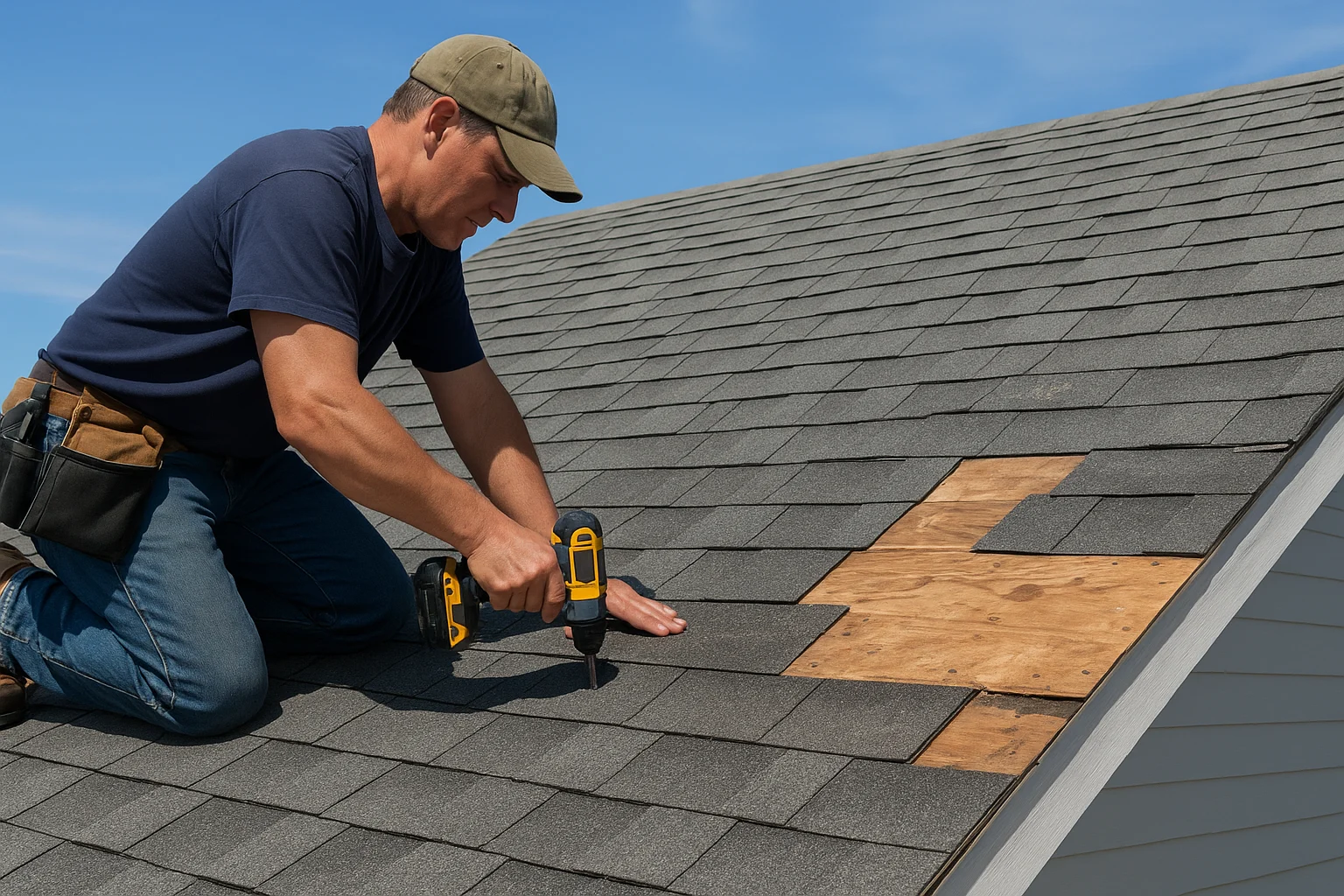
Roof repair focuses on fixing damaged sections without replacing the entire roofing system. This may include replacing missing shingles, repairing flashing, sealing leaks, or fixing small structural issues.
Roof replacement involves removing most or all of the existing roofing materials and installing a brand-new roofing system. In many cases, contractors also inspect or replace damaged decking, underlayment, and ventilation components.
Repairs are generally faster and less expensive, while replacements require a larger investment but provide decades of protection.
Warning Signs Your Roof Needs Attention
Recognizing roofing problems early can prevent costly damage inside your home.
Water Leaks
Water stains on ceilings or walls are among the most common indicators of roof damage. Even a small leak can eventually damage insulation, drywall, flooring, and electrical systems if left untreated.
Missing or Damaged Shingles
Strong winds and storms often remove shingles or cause them to crack, curl, or break. Missing shingles expose the underlayment, making the roof vulnerable to moisture.
Sagging Roof Areas
A sagging roof may indicate structural damage caused by water intrusion or weakened decking. This problem should never be ignored because it can compromise the safety of your home.
Granules in Gutters
As asphalt shingles age, they begin shedding protective granules. Finding excessive granules in gutters often means the roof is approaching the end of its lifespan.
Moss and Algae Growth
Although moss may seem harmless, it traps moisture against roofing materials. Over time, this can accelerate deterioration and shorten the roof’s life.
Higher Energy Bills
A damaged roof can reduce insulation efficiency and allow conditioned air to escape, increasing heating and cooling costs.
Visible Daylight in the Attic
If sunlight enters through the roof boards, rainwater can also enter. Inspect your attic regularly for signs of gaps or moisture.
When Roof Repair Makes Sense
Not every roofing issue requires a full replacement.
Roof repair is often the better option when:
- Damage is limited to one small area.
- The roof is relatively new.
- Storm damage affected only a few shingles.
- Flashing around vents or chimneys needs replacement.
- Small leaks are caught early.
- The roof structure remains in good condition.
A well-executed repair can extend your roof’s lifespan by several years while saving thousands of dollars.
When Roof Replacement Is the Better Choice
Sometimes repairing an aging roof becomes a temporary solution that costs more over time.
Replacement is usually recommended when:
The Roof Is Near the End of Its Life
Most roofing materials have expected lifespans. Once a roof reaches that age, repairs become less effective.
Multiple Leaks Exist
Several leaks often indicate widespread deterioration rather than isolated damage.
Extensive Storm Damage
Large hailstorms, hurricanes, or falling trees may damage significant portions of the roof, making replacement more practical.
Repeated Repairs
If you’re calling a roofing contractor every year, replacement often becomes the more economical decision.
Structural Damage
Rotting decking, mold, or weakened framing usually requires removing the existing roof to properly address underlying issues.
Comparing Popular Roofing Materials
Choosing the right roofing material affects durability, maintenance requirements, appearance, and overall cost.
Asphalt Shingles
Asphalt shingles remain the most popular roofing material because they balance affordability and performance.
Pros:
- Budget-friendly
- Easy installation
- Wide range of colors
- Simple repairs
Cons:
- Shorter lifespan than premium materials
- Can be damaged by severe weather
Average lifespan: 20–30 years
Metal Roofing
Metal roofs have become increasingly popular due to their durability and energy efficiency.
Pros:
- Extremely durable
- Fire resistant
- Reflects heat
- Low maintenance
Cons:
- Higher upfront cost
- Repairs may require specialized contractors
Average lifespan: 40–70 years
Clay Tiles
Clay tile roofs offer timeless beauty and exceptional longevity.
Pros:
- Excellent lifespan
- Resistant to insects and rot
- Great for hot climates
Cons:
- Heavy
- Expensive
- Requires strong structural support
Average lifespan: 50–100 years
Concrete Tiles
Concrete tiles provide similar appearance to clay at a somewhat lower cost.
Pros:
- Durable
- Weather resistant
- Long lifespan
Cons:
- Heavy weight
- More expensive than asphalt
Average lifespan: 40–60 years
Slate Roofing
Slate is one of the longest-lasting roofing materials available.
Pros:
- Exceptional durability
- Elegant appearance
- Fire resistant
Cons:
- Premium price
- Heavy installation requirements
Average lifespan: 75–150 years
Wood Shingles and Shakes
Wood roofs offer natural beauty but require more maintenance.
Pros:
- Attractive appearance
- Good insulation
- Environmentally friendly
Cons:
- Higher maintenance
- Vulnerable to moisture
- Fire concerns in some regions
Average lifespan: 25–40 years
Roof Repair Cost Breakdown
Roof repair costs vary depending on damage severity, roof size, accessibility, and local labor rates.
Minor repairs often include:
- Replacing several shingles
- Fixing flashing
- Sealing small leaks
- Repairing vent boots
These jobs generally cost between $200 and $800.
Moderate repairs involving larger damaged areas commonly range from $800 to $2,500.
Major structural repairs involving decking replacement, framing repairs, or extensive water damage can exceed $3,000.
Prompt repairs almost always cost less than waiting until damage spreads.
Roof Replacement Cost Breakdown
Replacing an entire roof represents a larger investment but provides long-term protection.
Several factors influence replacement costs:
- Roof size
- Material selection
- Roof pitch
- Labor rates
- Removal of old roofing
- Permit fees
- Ventilation upgrades
- Structural repairs
Typical replacement costs include:
- Asphalt shingles: $6,000–$15,000
- Metal roofing: $10,000–$25,000
- Tile roofing: $15,000–$35,000
- Slate roofing: $20,000–$50,000 or more
Luxury homes with complex roof designs can exceed these estimates.
Insurance Coverage for Roof Damage
Many homeowners wonder whether insurance will cover roof repairs or replacement.
The answer depends on the cause of the damage.
Insurance often covers sudden and accidental events such as:
- Wind damage
- Hail damage
- Fire
- Falling trees
- Lightning
- Certain storm-related incidents
However, insurance usually does not cover:
- Normal aging
- Lack of maintenance
- Gradual wear and tear
- Poor workmanship
- Manufacturer defects after warranties expire
If a storm damages your roof, document everything with photographs before making temporary repairs. Contact your insurance company promptly to begin the claims process.
A professional roofing inspection can also provide documentation supporting your claim.
Repair vs Replacement: Which Saves More Money?
Many homeowners focus only on immediate costs. However, long-term value matters just as much.
Advantages of Repair
Lower upfront expense.
Minimal disruption to daily life.
Faster completion.
Ideal for newer roofs.
Advantages of Replacement
Longer lifespan.
Improved energy efficiency.
Better home value.
Reduced maintenance.
Greater peace of mind.
Fewer emergency repairs.
If your roof requires multiple repairs over several years, replacement often becomes the more cost-effective solution.
How Roof Age Influences Your Decision
Roof age remains one of the biggest deciding factors.
If your asphalt roof is less than 10 years old, repairing isolated damage usually makes financial sense.
Between 15 and 20 years, carefully compare repair costs against the remaining lifespan.
Once an asphalt roof approaches 25 to 30 years old, replacement often becomes the wiser investment.
Premium roofing materials such as metal or slate may still have decades of useful life even after minor repairs.
Impact on Home Value
A new roof is one of the improvements that buyers appreciate most.
Benefits include:
- Increased curb appeal
- Better inspection reports
- Higher resale value
- Faster home sales
- Greater buyer confidence
An aging roof, on the other hand, can reduce offers or cause buyers to request significant price reductions.
Energy Efficiency Considerations
Modern roofing systems often include improved insulation, ventilation, reflective materials, and moisture barriers.
These upgrades help:
- Reduce cooling costs
- Improve indoor comfort
- Prevent ice dams
- Extend roof life
- Lower HVAC workload
If your current roof lacks proper ventilation, replacement provides an opportunity to improve overall energy performance.
Questions to Ask Before Making a Decision
Before choosing repair or replacement, ask yourself:
- How old is the roof?
- How widespread is the damage?
- Are leaks becoming more frequent?
- Will repairs match existing materials?
- How long do you plan to stay in the home?
- What is your available budget?
- Has the roof experienced repeated storm damage?
- Will insurance help cover costs?
Answering these questions helps determine the most practical and economical solution.
Tips to Extend Your Roof’s Lifespan
Regardless of your roofing material, regular maintenance can significantly increase longevity.
Inspect your roof at least twice each year.
Clean gutters regularly to prevent water backup.
Trim tree branches that hang over the roof.
Replace damaged shingles immediately.
Schedule professional inspections after major storms.
Ensure proper attic ventilation.
Remove moss before it spreads.
Address leaks as soon as they appear.
Small maintenance tasks today can prevent major expenses tomorrow.
Choosing the Right Roofing Contractor
Whether repairing or replacing your roof, selecting a qualified contractor is essential.
Look for companies that are licensed, insured, and experienced with your roofing material. Request written estimates, ask about warranties, verify references, and avoid unusually low bids that may indicate poor workmanship.
A reputable contractor will explain your options honestly rather than pushing the most expensive solution.
Final Thoughts
Deciding between roof repair and roof replacement requires balancing current costs with future benefits. Minor, localized damage on a newer roof can often be repaired successfully, saving money while extending the roof’s life. However, widespread damage, recurring leaks, or an aging roof usually make replacement the smarter long-term investment.
By recognizing warning signs early, understanding material options, evaluating insurance coverage, and considering long-term value instead of short-term savings, homeowners can make informed decisions that protect both their property and their finances. Investing in timely roofing work not only prevents costly structural damage but also improves comfort, energy efficiency, and overall home value for years to come.