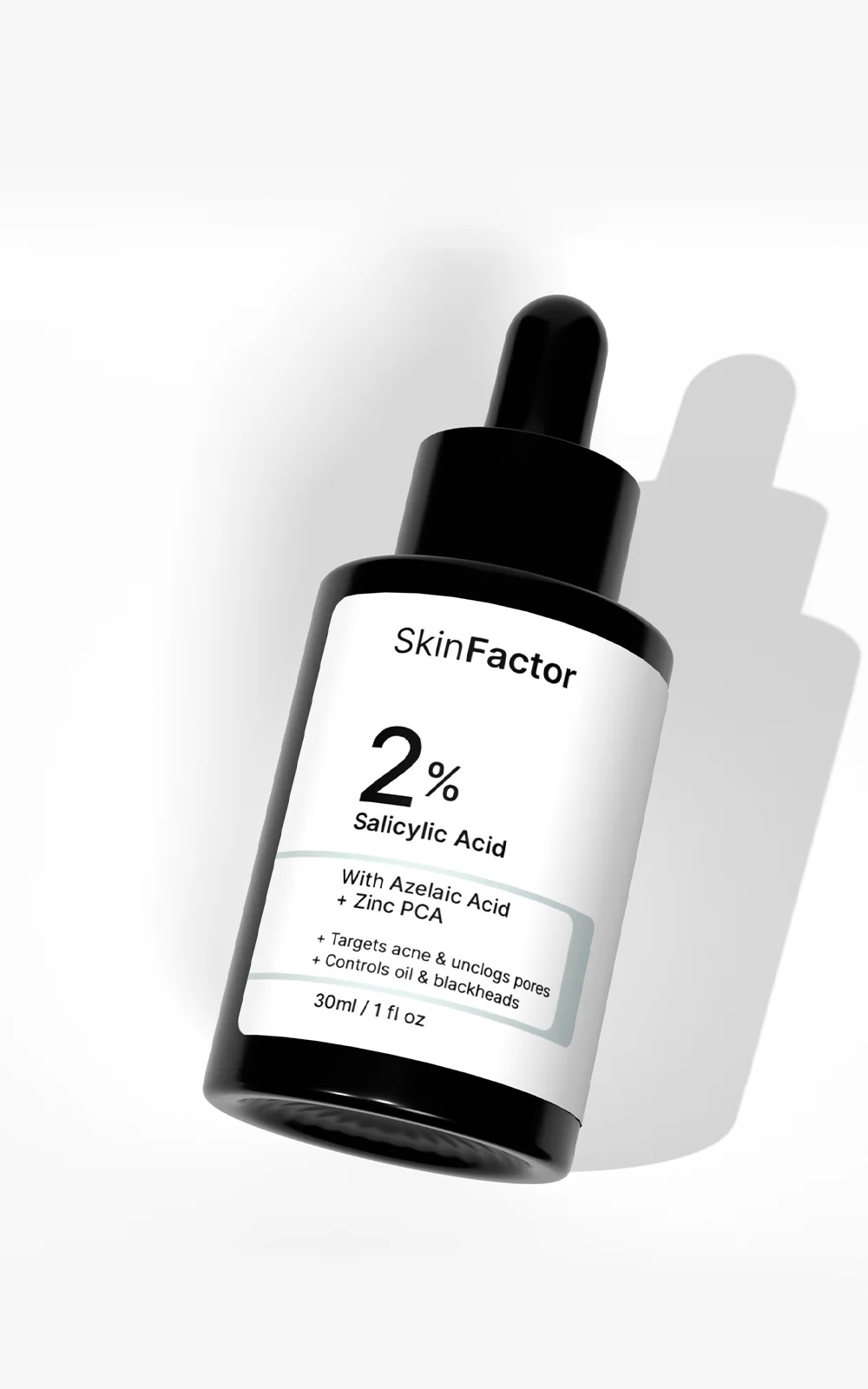
Skin Factor Salicylic Acid Serum Benefits, Uses, and How to Get the Most Out of It
Clear, smooth, blemish-free skin is one of the most common skincare goals, and for people struggling with acne, blackheads, enlarged pores, or oily skin, salicylic acid has become a go-to ingredient. Skin Factor Salicylic Acid Serum is one of the popular formulations built around this powerful beta-hydroxy acid (BHA). This article explains what the serum does, how it works, who it’s best suited for, and how to use it correctly for the best results.
What Is Salicylic Acid?
Salicylic acid Serum is a beta-hydroxy acid (BHA) derived originally from willow bark, though most skincare formulations today use a synthesized version for consistency and purity. Unlike alpha-hydroxy acids (AHAs) such as glycolic or lactic acid, which are water-soluble and work mainly on the skin’s surface, salicylic acid is oil-soluble. This means it can penetrate into the pores themselves, where oil, dead skin cells, and bacteria tend to build up and cause breakouts.
This oil-solubility is what makes salicylic acid especially effective for oily and acne-prone skin. It doesn’t just sit on top of the skin — it works its way into clogged follicles to clear them out from the inside.
What Does Skin Factor Salicylic Acid Serum Do?
Skin Factor’s serum is formulated to deliver salicylic acid in a lightweight, fast-absorbing base, usually combined with soothing or hydrating ingredients to offset the potential dryness that acids can cause. Broadly, this type of serum works through the following mechanisms.
Exfoliation – Salicylic acid loosens the “glue” that holds dead skin cells together on the surface, encouraging them to shed more efficiently. This prevents the buildup that leads to dull, rough, or congested skin.
Pore-clearing – Because it can penetrate oil, salicylic acid dissolves the sebum and debris sitting inside pores, which helps prevent blackheads, whiteheads, and clogged follicles.
Anti-inflammatory action – Salicylic acid is chemically related to aspirin and has mild anti-inflammatory properties, which can help calm redness and swelling associated with active breakouts.
Oil regulation – Regular use can help reduce the appearance of excess shine by keeping pores clear and reducing the buildup of oxidized sebum.
Improved texture and tone – With consistent use, many people notice smoother skin texture, reduced appearance of pores, and a more even skin tone as post-acne marks fade over time.
Who Should Use This Serum?
Skin Factor Salicylic Acid Serum is generally best suited for:
People with oily or combination skin who deal with excess shine and clogged pores
Those experiencing frequent breakouts, blackheads, or whiteheads
Individuals with enlarged or visibly congested pores
People looking to smooth rough or bumpy skin texture
Those wanting to fade mild post-acne marks over time
People with very dry or sensitive skin should approach salicylic acid serums cautiously, starting with a lower frequency of use, since the ingredient can be drying if overused.
How to Use Skin Factor Salicylic Acid Serum
Getting good results from a salicylic acid serum depends heavily on proper application. Here’s a step-by-step guide:
1. Cleanse First
Start with a gentle, pH-balanced cleanser to remove dirt, oil, and makeup. Pat the skin dry — don’t rub — before applying the serum.
2. Apply to Dry Skin
Salicylic acid serums are generally most effective when applied to completely dry skin, as damp skin can increase absorption and irritation risk. Use a few drops and gently pat or smooth it across the face, avoiding the delicate eye area.
3. Start Slow
If you’re new to salicylic acid, begin with application 2–3 times per week, ideally in the evening. This allows your skin to build tolerance and reduces the risk of dryness, flaking, or irritation. Over a few weeks, you can gradually increase to nightly use if your skin tolerates it well.
4. Follow with Moisturizer
Because salicylic acid can be drying, always follow up with a good moisturizer to maintain the skin barrier. Look for ingredients like hyaluronic acid, ceramides, or niacinamide in your moisturizer to help balance hydration.
5. Never Skip Sunscreen
Salicylic acid — like most exfoliating acids — can increase the skin’s sensitivity to UV rays. Daily sunscreen (SPF 30 or higher) is essential when using this serum, even on cloudy days or when staying mostly indoors.
6. Avoid Mixing with Other Strong Actives Initially
When starting out, avoid layering the serum with other potent actives like retinol, vitamin C, or other exfoliating acids in the same routine, as this can overwhelm the skin barrier and cause irritation. Once your skin builds tolerance, these can often be alternated on different nights under guidance from a dermatologist.
Tips for Best Result
Patch test first: Apply a small amount on your inner arm or jawline for 24 hours before using it on your full face, especially if you have sensitive skin.
Be consistent but patient: Visible improvements in texture and breakouts typically take 4–8 weeks of regular use.
Watch for signs of over-exfoliation: Redness, excessive dryness, peeling, or increased sensitivity are signs to cut back frequency.
Store properly: Keep the serum in a cool, dry place away from direct sunlight to preserve its stability and effectiveness.
Don’t use on broken or actively irritated skin: Wait until any open wounds or severe irritation heal before resuming use.
Potential Side Effects
While generally well-tolerated, some people may experience mild stinging, dryness, redness, or peeling — especially in the first couple of weeks. These effects usually subside as the skin adjusts. If irritation is severe or persistent, discontinue use and consult a dermatologist. Pregnant or breastfeeding individuals should also consult a doctor before using salicylic acid products, as a precaution.
Final Thoughts
Skin Factor Salicylic Acid Serum can be a valuable addition to a skincare routine focused on managing oil, breakouts, and clogged pores. Its ability to penetrate and clear pores from within sets it apart from purely surface-level exfoliants, making it especially useful for acne-prone and oily skin types. As with any active ingredient, the key to success lies in gradual introduction, consistent use, proper hydration, and diligent sun protection. With patience and the right routine, many users find that this serum noticeably improves their skin’s clarity, texture, and overall appearance over time.