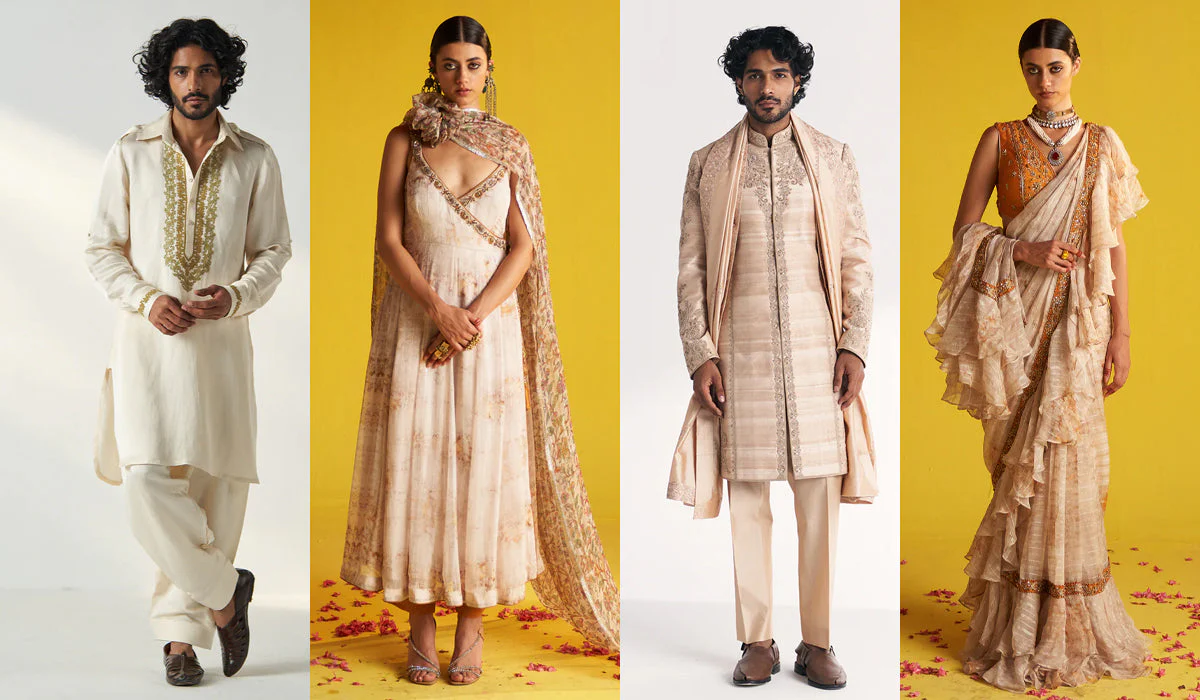
Ethnic Wear Styling Guide: Traditional vs Modern Fashion, Wedding Outfits, Festival Looks, Fabric Selection, Accessories, and Care Tips
Ethnic wear has always been more than just clothing. It reflects culture, heritage, craftsmanship, and personal identity. Whether you’re attending a wedding, celebrating a festival, or simply embracing traditional fashion in your daily wardrobe, ethnic outfits offer timeless elegance that never goes out of style.
Over the years, ethnic fashion has evolved beautifully. Traditional silhouettes are now paired with modern cuts, contemporary fabrics, and stylish accessories, making them suitable for every generation. From classic sarees and sherwanis to fusion gowns and Indo-western ensembles, today’s ethnic wear provides endless styling possibilities.
This guide will help you understand the differences between traditional and modern ethnic fashion, choose the right outfit for weddings and festivals, select suitable fabrics, accessorize properly, and care for your garments so they stay beautiful for years.
Understanding Traditional Ethnic Wear
Traditional ethnic clothing varies from region to region, but its purpose remains the same—to celebrate culture and craftsmanship.
Some timeless ethnic outfits include:
- Sarees
- Lehengas
- Salwar suits
- Anarkali dresses
- Kurta pajamas
- Sherwanis
- Dhoti kurtas
- Bandhgala suits
These garments often feature intricate embroidery, handwoven fabrics, mirror work, zari, sequins, beadwork, or traditional block printing. Many are handmade by skilled artisans using techniques passed down through generations.
Traditional ethnic wear is perfect for:
- Religious ceremonies
- Family functions
- Weddings
- Cultural events
- Festivals
- Formal celebrations
Classic styling focuses on elegance rather than trends.
Modern Ethnic Fashion Explained
Modern ethnic fashion combines traditional elements with contemporary designs.
Instead of changing cultural roots, designers reinvent them to suit today’s lifestyles.
Examples include:
- Crop top lehengas
- Jacket-style kurtas
- Belted sarees
- Pant-style sarees
- Dhoti pants with kurtis
- Cape dupattas
- Indo-western gowns
- Asymmetrical kurtas
- Palazzo suits
- Fusion co-ord sets
These outfits are often lighter, easier to wear, and more comfortable for long events.
Modern ethnic wear is especially popular among younger generations who appreciate traditional fashion without sacrificing convenience.
Traditional vs Modern Ethnic Fashion
Both styles have unique strengths.
Traditional Fashion
Advantages:
- Rich cultural appeal
- Timeless elegance
- Perfect for religious occasions
- Excellent craftsmanship
- Often handcrafted
Limitations:
- Can be heavy
- Requires careful draping
- Sometimes less practical for long hours
Modern Ethnic Fashion
Advantages:
- Comfortable
- Lightweight
- Easy to wear
- Fashion-forward
- Suitable for multiple occasions
Limitations:
- May not fit highly traditional ceremonies
- Trend-driven styles can become outdated
The best choice depends on the event, personal comfort, and your style preferences.
Choosing the Perfect Wedding Outfit
Weddings usually involve multiple ceremonies, each with its own dress code.
Bride
Brides often choose:
- Designer lehengas
- Banarasi sarees
- Silk sarees
- Heavy embroidered gowns
- Traditional bridal attire
Popular colors include:
- Red
- Maroon
- Gold
- Emerald
- Ivory
- Pastel pink
- Peach
Modern brides also experiment with lavender, mint green, champagne, and dusty blue.
Groom
Classic options include:
- Sherwani
- Bandhgala
- Achkan
- Kurta with Nehru jacket
- Indo-western suit
Luxury fabrics like silk, velvet, and brocade create a regal appearance.
Wedding Guests
Guests should dress elegantly without overshadowing the bride or groom.
Suitable options include:
Women:
- Sarees
- Anarkalis
- Palazzo suits
- Shararas
- Fusion gowns
Men:
- Kurta pajama
- Waistcoat combinations
- Bandhgala
- Light sherwanis
- Nehru jackets
Choose colors according to the event’s theme whenever possible.
Festival Styling Tips
Festivals celebrate tradition, so ethnic clothing naturally becomes the preferred choice.
Different festivals call for different styling approaches.
Diwali
Bright colors work beautifully:
- Yellow
- Orange
- Gold
- Red
- Pink
Silk sarees and embroidered suits remain popular.
Eid
Elegant pastel shades, flowing silhouettes, and delicate embroidery create sophisticated looks.
Shararas, ghararas, and long kurtas are popular choices.
Navratri
Colorful lehengas with mirror work, embroidered jackets, and vibrant accessories perfectly suit the festive atmosphere.
Holi
Comfort is essential.
Wear lightweight cotton kurtas or simple ethnic outfits that allow freedom of movement.
Raksha Bandhan
Simple elegance works best.
Printed kurtas, cotton sarees, and lightweight suits create graceful festive looks.
Selecting the Right Fabric
Fabric influences comfort, appearance, durability, and the overall feel of an outfit.
Cotton
Best for:
- Daily wear
- Summer
- Casual festivals
Benefits:
- Breathable
- Comfortable
- Easy to wash
- Affordable
Silk
Ideal for:
- Weddings
- Religious ceremonies
- Formal occasions
Advantages:
- Luxurious appearance
- Rich texture
- Elegant drape
Popular varieties include:
- Banarasi silk
- Kanjivaram silk
- Tussar silk
- Raw silk
Chiffon
Excellent for:
- Lightweight sarees
- Evening functions
Benefits:
- Soft
- Flowing
- Comfortable
Georgette
A versatile fabric suitable for:
- Sarees
- Kurtis
- Gowns
- Lehengas
It drapes beautifully while remaining easy to manage.
Linen
Perfect for:
- Summer celebrations
- Office ethnic wear
Linen offers sophistication with exceptional comfort.
Velvet
Best reserved for:
- Winter weddings
- Reception parties
Its rich texture adds royal elegance.
Organza
Organza has become extremely popular due to its lightweight yet luxurious appearance.
Ideal for:
- Sarees
- Dupattas
- Modern ethnic outfits
Matching Colors with Your Skin Tone
Choosing flattering colors enhances your overall appearance.
Fair Skin
Suitable colors include:
- Emerald green
- Royal blue
- Burgundy
- Navy
- Deep red
Medium Skin
Beautiful choices include:
- Coral
- Mustard
- Teal
- Peach
- Rust
- Olive
Deep Skin
Rich jewel tones work exceptionally well:
- Wine
- Purple
- Gold
- Bright pink
- Cobalt blue
- Maroon
Confidence matters more than color rules. Wear shades that make you feel your best.
Styling Ethnic Wear with Accessories
Accessories complete every outfit.
The goal is balance rather than excess.
Jewelry
Traditional outfits pair beautifully with:
- Jhumkas
- Chandbalis
- Temple jewelry
- Kundan sets
- Polki necklaces
- Pearls
- Bangles
Avoid wearing every statement piece together.
Choose one focal accessory.
Footwear
Popular options include:
- Juttis
- Mojaris
- Kolhapuris
- Block heels
- Embellished sandals
- Traditional heels
Comfort should always come first, especially during weddings.
Bags
Complement ethnic outfits with:
- Potli bags
- Embroidered clutches
- Beaded handbags
- Silk purses
Hair Accessories
Complete the look with:
- Fresh flowers
- Decorative pins
- Maang tikka
- Hair chains
- Elegant clips
Simple hairstyles often highlight ethnic clothing better than overly complicated ones.
Layering Ethnic Outfits
Layering adds depth and sophistication.
Popular options include:
- Long embroidered jackets
- Velvet shawls
- Silk dupattas
- Cape overlays
- Shrugs
- Waist belts
Layering is especially practical during winter weddings.
Mixing Traditional and Modern Elements
Fusion styling has become increasingly popular.
Ideas include:
- Saree with a belt
- Lehenga with a shirt
- Kurta with jeans
- Jacket over saree
- Palazzo with crop top
- Sneakers with kurta
- Cape over lehenga
Fusion fashion allows creativity while preserving cultural beauty.
Seasonal Styling Guide
Summer
Choose:
- Cotton
- Linen
- Mulmul
- Lightweight silk
Prefer lighter colors.
Monsoon
Opt for:
- Shorter hemlines
- Quick-drying fabrics
- Darker shades
- Minimal embroidery
Avoid dragging dupattas.
Winter
Wear:
- Velvet
- Silk
- Wool shawls
- Heavy jackets
Layer thoughtfully without hiding beautiful embroidery.
Ethnic Wear for Different Body Types
Every body type can wear ethnic clothing beautifully.
Petite
Choose:
- Vertical embroidery
- Smaller prints
- High-waisted lehengas
- Lightweight fabrics
Avoid overwhelming silhouettes.
Tall
Experiment with:
- Layering
- Large prints
- Long jackets
- Flared skirts
Curvy
Structured silhouettes work well.
Try:
- A-line kurtas
- Well-fitted blouses
- Flowing fabrics
- Defined waistlines
Athletic
Add dimension using:
- Ruffles
- Pleats
- Layered dupattas
- Embroidered details
The right tailoring matters more than body shape.
Common Styling Mistakes to Avoid
Many people unintentionally reduce the impact of beautiful ethnic outfits.
Avoid these mistakes:
- Wearing too much jewelry
- Mixing clashing colors
- Choosing uncomfortable footwear
- Ignoring proper fitting
- Wearing wrinkled garments
- Over-accessorizing
- Selecting inappropriate fabrics for the weather
- Wearing heavy makeup with already elaborate outfits
Balance creates elegance.
Caring for Ethnic Wear
Quality ethnic garments often become family heirlooms.
Proper care helps preserve them.
Storage
Store garments:
- In breathable garment bags
- Away from sunlight
- In dry places
- Fold heavy embroidery carefully
Avoid plastic covers for long-term storage.
Washing
Always read garment labels.
General guidelines include:
- Dry clean silk
- Hand wash cotton
- Use mild detergent
- Never scrub embroidery
- Wash delicate fabrics separately
Ironing
Use low heat for delicate fabrics.
Place a cotton cloth over embroidered areas before ironing.
Steam ironing is often safer than direct heat.
Preventing Damage
Regularly inspect garments for:
- Loose threads
- Missing beads
- Torn seams
- Stains
Prompt repairs prevent larger problems later.
Building a Versatile Ethnic Wardrobe
Instead of buying outfits for every occasion, build a collection that mixes and matches easily.
Essential pieces include:
- One silk saree
- One neutral lehenga
- Cotton kurtas
- White churidar
- Palazzo pants
- Embroidered dupatta
- Classic juttis
- Statement jewelry
- Neutral clutch
- Well-fitted blouse in gold and black
These basics create dozens of outfit combinations.
Sustainable Ethnic Fashion
Many people are embracing sustainable fashion by investing in quality garments rather than fast fashion.
Ways to build a sustainable ethnic wardrobe include:
- Choosing handwoven fabrics
- Supporting local artisans
- Reusing wedding outfits creatively
- Renting designer pieces
- Upcycling old sarees into new garments
- Repairing instead of replacing
- Buying timeless styles instead of short-lived trends
Quality ethnic wear often lasts for decades when maintained properly.
Final Thoughts
Ethnic wear beautifully combines tradition, artistry, and personal expression. Whether you prefer timeless classics or modern fusion styles, the key is choosing outfits that match the occasion, fit comfortably, and reflect your personality. Understanding fabric choices, selecting appropriate accessories, dressing according to the season, and caring for your garments all contribute to creating a wardrobe that remains stylish for years. Rather than chasing every fashion trend, invest in versatile pieces with lasting appeal. A thoughtfully styled ethnic outfit not only enhances your appearance but also celebrates the rich cultural heritage behind every weave, embroidery pattern, and silhouette. With the right balance of tradition and modern fashion, you can confidently dress for weddings, festivals, family celebrations, and everyday occasions while enjoying elegance that never goes out of style.