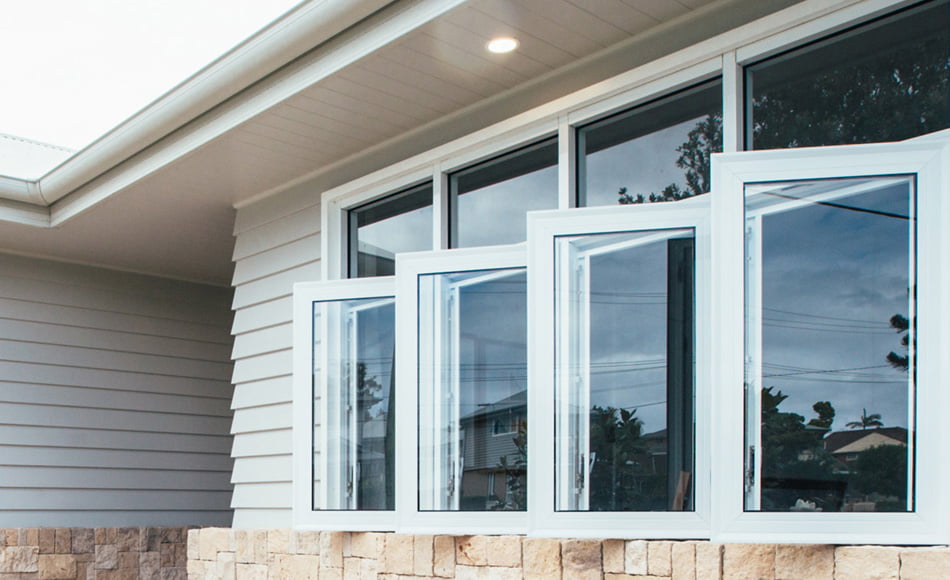
Window Replacement Buying Guide: Double-Hung, Casement, Sliding, Bay Windows, Energy Ratings, Installation Costs, and Best Brands
Replacing your home’s windows is one of the smartest investments you can make. New windows improve energy efficiency, enhance curb appeal, reduce outside noise, and increase your home’s value. Whether you’re dealing with drafty old windows, damaged frames, or simply want a fresh look, understanding your options before making a purchase can save you thousands of dollars.
With so many window styles, frame materials, energy ratings, and brands available, choosing the right replacement windows can feel overwhelming. This guide explains everything you need to know about window replacement, from selecting the best style to understanding installation costs and choosing a trusted manufacturer.
Why Replace Your Windows?
Windows naturally wear out over time. Even high-quality windows have a lifespan, and older models are often less energy-efficient than modern alternatives.
Common reasons homeowners replace windows include:
- Rising energy bills
- Drafts and air leaks
- Condensation between glass panes
- Difficulty opening or closing windows
- Water leaks during rain
- Fading furniture from UV exposure
- Increased outside noise
- Home remodeling or renovation
Replacing old windows can improve comfort year-round while reducing heating and cooling costs.
Signs It’s Time for Window Replacement
You don’t always need to wait until a window completely fails before replacing it.
Watch for these warning signs:
- Cracked or broken glass
- Rotting wooden frames
- Warped window frames
- Foggy double-pane glass
- Higher utility bills
- Cold drafts near windows
- Peeling paint around frames
- Water damage inside walls
- Windows that won’t stay open
If several of these issues are present, replacement is usually more cost-effective than repeated repairs.
Understanding the Most Popular Window Types
Every room has different lighting, ventilation, and design needs. Choosing the right window style is one of the most important decisions you’ll make.
Double-Hung Windows
Double-hung windows are among the most popular choices for residential homes.
Both the upper and lower sashes move up and down, allowing flexible ventilation. Many modern models also tilt inward for easier cleaning.
Advantages:
- Easy maintenance
- Excellent ventilation
- Fits traditional and modern homes
- Widely available
- Affordable pricing
Best for:
- Bedrooms
- Living rooms
- Dining rooms
- Multi-story homes
Casement Windows
Casement windows open outward using a crank handle.
Since they seal tightly when closed, they are considered one of the most energy-efficient window styles available.
Advantages:
- Superior energy efficiency
- Excellent airflow
- Unobstructed outdoor views
- Easy operation
Best for:
- Kitchens
- Bathrooms
- Areas needing maximum ventilation
Sliding Windows
Sliding windows move horizontally rather than vertically.
They are simple to operate and work especially well in wide wall openings.
Advantages:
- Modern appearance
- Smooth operation
- Low maintenance
- Great natural light
Best for:
- Contemporary homes
- Basements
- Living rooms
- Patios
Bay Windows
Bay windows project outward from the home’s exterior using three connected windows.
These windows create additional interior space while allowing more natural light.
Advantages:
- Increased home value
- Beautiful architectural appearance
- Expanded seating area
- Panoramic outdoor views
- Excellent natural lighting
Best for:
- Living rooms
- Dining areas
- Front-facing rooms
Although bay windows are more expensive than standard windows, many homeowners consider them worth the investment because of their visual impact.
Other Window Styles Worth Considering
Besides the most common designs, several specialty windows may suit your home.
Picture Windows
These fixed windows don’t open but provide large, unobstructed views and maximum sunlight.
Awning Windows
Hinged at the top, awning windows swing outward and can remain open during light rain.
Garden Windows
Popular above kitchen sinks, garden windows extend outward and provide space for herbs or decorative plants.
Hopper Windows
Hopper windows open inward and are commonly used in basements.
Choosing the Right Window Frame Material
The frame material affects durability, maintenance, insulation, and cost.
Vinyl
Vinyl remains the most popular option because it’s affordable and energy efficient.
Pros:
- Low maintenance
- Doesn’t rot
- Good insulation
- Budget-friendly
Cons:
- Limited color options
- Cannot easily be repainted
Wood
Wood windows offer timeless beauty and excellent insulation.
Pros:
- Natural appearance
- Paintable
- High-end look
- Strong insulation
Cons:
- Requires maintenance
- Can rot without proper care
- Higher cost
Fiberglass
Fiberglass frames combine strength with energy efficiency.
Pros:
- Extremely durable
- Low maintenance
- Resists expansion and contraction
- Long lifespan
Cons:
- Higher purchase price
Aluminum
Aluminum windows provide a sleek, modern appearance.
Pros:
- Strong construction
- Slim frames
- Weather resistant
Cons:
- Less energy efficient than vinyl or fiberglass
- Can conduct heat
Composite
Composite windows combine multiple materials to improve durability and insulation.
Pros:
- Strong
- Energy efficient
- Low maintenance
- Resistant to moisture
Cons:
- Premium pricing
Understanding Energy Ratings
Energy efficiency should be one of your top priorities when shopping for replacement windows.
Modern windows use advanced glass technology to reduce heat transfer and improve comfort.
Here are the most important ratings to understand.
U-Factor
The U-Factor measures how well a window prevents heat from escaping.
Lower numbers indicate better insulation.
Solar Heat Gain Coefficient (SHGC)
This rating measures how much solar heat enters through the glass.
Lower SHGC values are ideal in hot climates.
Higher SHGC values may benefit colder regions by allowing more sunlight to warm the home.
Visible Transmittance (VT)
This indicates how much natural light passes through the glass.
Higher numbers provide brighter interiors.
Air Leakage
Air leakage measures how much outside air passes around the window.
Lower values indicate better performance.
Condensation Resistance
This rating predicts how well a window resists interior moisture buildup.
Higher ratings reduce condensation problems.
Low-E Glass Explained
Most modern replacement windows feature Low-Emissivity (Low-E) glass.
A nearly invisible coating reflects heat while allowing natural light to pass through.
Benefits include:
- Lower energy bills
- Reduced UV damage
- Better indoor comfort
- Less glare
- Improved insulation
Low-E coatings are now considered standard on many quality replacement windows.
Double-Pane vs Triple-Pane Windows
Choosing the right glass package depends on your climate and budget.
Double-Pane Windows
These feature two panes separated by insulating gas.
Benefits include:
- Good insulation
- Lower cost
- Suitable for most climates
Triple-Pane Windows
These include three glass panes with additional insulation.
Benefits include:
- Maximum energy savings
- Better sound reduction
- Improved winter performance
The higher initial cost may be worthwhile in areas with extreme temperatures.
Installation Methods
Proper installation matters just as much as window quality.
Insert Replacement
An insert replacement keeps the existing frame while replacing only the window itself.
Advantages:
- Lower cost
- Faster installation
- Less disruption
Best when the existing frame remains in excellent condition.
Full Frame Replacement
This method removes the entire existing window and frame.
Advantages:
- Better insulation
- Fixes hidden damage
- Allows complete upgrades
Although more expensive, full-frame replacement often provides better long-term performance.
Average Window Installation Costs
Window replacement costs vary depending on style, size, frame material, glass package, and labor rates.
Typical price ranges include:
- Vinyl windows: $300–$800 per window installed
- Double-hung windows: $400–$1,000
- Casement windows: $500–$1,200
- Sliding windows: $400–$1,100
- Bay windows: $2,000–$6,000
- Fiberglass windows: $700–$1,500
- Wood windows: $800–$2,000
Luxury custom windows may exceed these ranges.
Labor generally accounts for a significant portion of the total project cost.
Factors That Affect Window Replacement Costs
Several variables influence your final price.
These include:
- Window size
- Number of windows
- Frame material
- Glass upgrades
- Custom shapes
- Installation complexity
- Structural repairs
- Local labor rates
- Permit requirements
Replacing multiple windows at once often lowers the average cost per unit.
Best Window Brands
Choosing a reputable manufacturer ensures better warranties, improved quality, and reliable customer support.
Andersen
Known for premium craftsmanship and long-lasting products, Andersen offers wood, composite, and fiberglass windows with extensive customization options.
Ideal for homeowners seeking premium quality.
Pella
Pella provides an excellent selection of vinyl, fiberglass, and wood windows.
Its products are well known for energy efficiency and attractive designs.
Marvin
Marvin specializes in luxury windows with outstanding craftsmanship.
Homeowners looking for architectural flexibility often choose Marvin.
Milgard
Milgard offers excellent value while maintaining strong product quality.
Its vinyl windows remain especially popular among budget-conscious homeowners.
Simonton
Simonton focuses primarily on vinyl replacement windows.
Their products offer excellent energy efficiency and competitive pricing.
JELD-WEN
JELD-WEN manufactures windows in multiple materials and price ranges, making it a versatile option for homeowners with different budgets.
Questions to Ask Before Buying
Before signing a contract, ask the installer:
- Are the windows ENERGY STAR certified?
- What warranty is included?
- Is labor covered under warranty?
- Will permits be handled?
- Is disposal of old windows included?
- What is the installation timeline?
- Are there financing options?
- Is the contractor licensed and insured?
These questions help prevent unexpected costs later.
Ways to Save Money on Window Replacement
Window replacement doesn’t have to exceed your budget.
Consider these strategies:
Replace all windows at once to qualify for volume discounts.
Schedule installation during slower seasons when contractors may offer promotions.
Compare multiple written estimates.
Choose standard window sizes whenever possible.
Look for manufacturer rebates.
Check for local energy-efficiency incentives.
Invest in quality rather than choosing the absolute lowest price, since better windows typically provide greater long-term savings.
Maintenance Tips for New Windows
Proper maintenance extends the life of replacement windows.
Simple habits include:
- Clean glass regularly
- Inspect weatherstripping annually
- Lubricate moving parts
- Keep drainage holes clear
- Wash frames according to manufacturer recommendations
- Check caulking every year
- Trim vegetation away from windows
Routine maintenance helps preserve appearance and performance for decades.
Should You Replace All Windows at Once?
Many homeowners wonder whether replacing every window simultaneously is necessary.
Complete replacement offers several benefits:
- Consistent appearance
- Improved energy efficiency throughout the home
- Lower overall installation costs
- Matching warranties
- Better resale value
However, if your budget is limited, replacing the oldest or most damaged windows first is a practical approach.
Final Thoughts
Replacing your home’s windows is a major investment that pays off through improved comfort, lower energy bills, better curb appeal, and increased property value. Whether you’re considering classic double-hung windows, energy-efficient casement designs, practical sliding windows, or elegant bay windows, selecting the right combination of style, frame material, and glass technology is essential.
Take time to compare energy ratings, installation methods, warranties, and manufacturer reputations before making your decision. While lower-priced windows may seem appealing, quality products installed by experienced professionals often deliver better performance and last much longer.
By understanding your options and planning carefully, you can confidently choose replacement windows that enhance your home’s appearance, improve efficiency, and provide lasting value for many years.