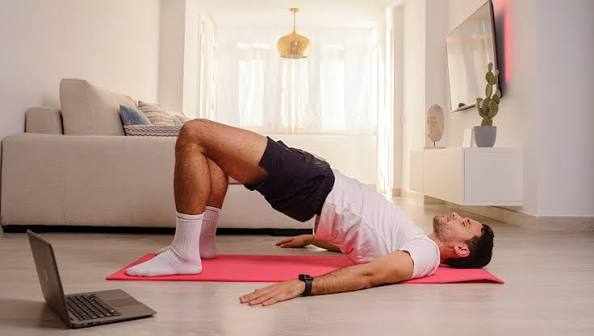
Improving Flexibility and Movement With Mobility Exercises for Everyday Physical Comfort
Stiffness when getting out of bed, tight shoulders after sitting at a desk, or difficulty bending down to pick something up can make ordinary activities less comfortable. These changes may become more noticeable when daily routines involve long periods of sitting, limited physical activity, or repetitive movements. For men who want to remain physically active as they age, maintaining flexibility and joint mobility is a practical part of looking after their physical wellbeing.
Mobility exercises help the body move through its available range of motion with greater control. Unlike exercises that focus mainly on building muscle strength, mobility routines combine gentle movement, flexibility, and joint control. A consistent routine can make everyday movements easier and help men maintain an active lifestyle without requiring expensive equipment or a gym membership.
Understanding the Difference Between Flexibility and Mobility
Flexibility and mobility are closely related, but they are not exactly the same.
Flexibility refers to how far a muscle can comfortably stretch. Mobility describes how well a joint moves through its available range of motion while the surrounding muscles provide control and stability.
For example, having flexible leg muscles may help someone bend forward, while good hip mobility can make movements such as walking, climbing stairs, and getting into a vehicle more comfortable.
Both qualities contribute to functional movement. Men who spend much of their day sitting may particularly benefit from regularly moving their hips, shoulders, ankles, and upper back.
Simple Daily Mobility Exercises to Improve Flexibility
A short movement routine can cover several major areas of the body. The following exercises require little space and can be adapted to different fitness levels.
1. Neck and Shoulder Movements
Long hours working at a computer or looking down at a mobile phone can leave the neck and shoulders feeling tight.
Start by sitting or standing comfortably. Slowly turn your head to the right and then to the left without forcing the movement. Follow this with gentle shoulder rolls, moving them forward and backward.
Perform approximately 8–10 controlled repetitions of each movement.
These exercises encourage comfortable neck and shoulder movement. Avoid making sudden turns or applying pressure to the neck.
2. Cat-Cow Movement for the Upper and Lower Back
The cat-cow movement is commonly used in gentle exercise and yoga routines.
Begin on your hands and knees, keeping your hands beneath your shoulders and knees beneath your hips. Slowly round your back while gently lowering your head. Then move in the opposite direction, allowing your chest to open and your back to return towards a comfortable neutral position.
Repeat 8–10 times while breathing normally.
This movement encourages spinal mobility and can help reduce feelings of stiffness associated with prolonged sitting.
3. Hip Circles and Gentle Hip Mobility
The hips contribute to walking, standing, bending, and climbing stairs. Limited movement around this area can make everyday activities feel less comfortable.
Stand upright with your feet approximately shoulder-width apart. Place your hands on your hips and slowly make small circular movements. Complete several circles in each direction.
Keep the movement controlled rather than trying to achieve the largest possible range.
4. Ankle Mobility Exercises
Ankle movement plays a role in walking, balance, and changing direction.
Sit on a chair or stand while holding a stable surface for support. Lift one foot slightly and slowly move your ankle in circles. Then point your toes away from your body and bring them back towards you.
Repeat with the opposite foot.
Regular ankle movements can help maintain comfortable joint motion, particularly for people who spend extended periods sitting.
5. Gentle Hamstring Stretching
The hamstrings are located along the back of the thighs. Tightness in this muscle group can make bending and certain lower-body movements uncomfortable.
Sit near the edge of a chair and extend one leg forward, keeping your heel on the floor. Maintain a comfortable, upright posture and gently lean forward from your hips until you feel a mild stretch behind your thigh.
Hold for 10–20 seconds before changing legs.
Do not bounce or force your body towards your toes.
Building Gentle Movement Routines Into Everyday Life
Consistency matters more than performing complicated exercises occasionally. Men with busy schedules can incorporate mobility work into existing daily activities.
For example, a short morning routine can include shoulder rolls, hip circles, and gentle spinal movements. During working hours, standing up periodically and walking for a few minutes can break up long periods of sitting.
These gentle movement routines to support joint flexibility and better everyday mobility can also be useful before activities such as gardening, household cleaning, or recreational walking.
A practical routine might look like this:
| Activity | Suggested duration |
| Gentle walking to warm up | 3 minutes |
| Neck and shoulder movements | 2 minutes |
| Cat-cow movements | 2 minutes |
| Hip mobility exercises | 2 minutes |
| Ankle movements | 1 minute |
| Gentle leg stretching | 2 minutes |
This is an example routine, not a prescribed exercise programme. Adjust it according to comfort and physical ability.
How Stress and Nutrition Can Influence Everyday Movement
Physical comfort is influenced by more than exercise alone. Daily stress, sleep habits, and eating patterns can affect how consistently someone maintains an active routine.
The Connection Between Stress and Body Movement
Work responsibilities, family commitments, and insufficient rest can contribute to physical tension. Some people notice that their shoulders, neck, or back feel tighter during stressful periods.
Understanding how reducing daily stress can improve overall body balance involves recognising the relationship between mental wellbeing and physical activity.
Relaxation techniques, regular walking, adequate sleep, and controlled breathing may help people manage everyday stress. These habits can also make it easier to maintain a consistent exercise routine.
However, stress reduction should not be considered a direct treatment for joint stiffness or balance problems. Persistent movement difficulties may require professional assessment.
Nutrition and Energy for Daily Physical Activity
Food provides the energy needed for walking, exercise, and everyday physical tasks. A balanced eating pattern can help men maintain the energy required to remain active.
Useful dietary choices include:
- Protein: Eggs, fish, chicken, beans, and lentils help maintain and repair body tissues.
- Fruits and vegetables: Provide vitamins, minerals, and dietary fibre.
- Whole grains: Oats, brown rice, and whole-wheat bread provide carbohydrates for energy.
- Healthy fats: Nuts, seeds, and olive oil contribute to a balanced diet.
- Water: Adequate fluid intake helps maintain normal body functions.
Following natural nutrition strategies for better everyday energy does not require expensive supplements or complicated meal plans. A varied diet, regular meals, and appropriate hydration are sensible starting points.
Nutrition alone, however, cannot replace regular movement, strength training, or adequate recovery.
Common Mistakes to Avoid During Mobility Exercises
Although gentle mobility exercises are generally accessible, performing them incorrectly can create unnecessary discomfort.
Keep these precautions in mind:
- Avoid forcing stretches: Move only within a comfortable range.
- Do not rush movements: Controlled movements allow better awareness of joint positioning.
- Avoid bouncing: Sudden movements can place unnecessary stress on muscles and joints.
- Warm up first: A few minutes of easy walking can prepare the body for stretching.
- Do not ignore pain: Stop an exercise if it causes sharp pain, unusual discomfort, or joint pain.
- Progress gradually: Increase movement range or repetitions as your comfort and control improve.
The American Heart Association recommends holding comfortable stretches for approximately 10–30 seconds and avoiding painful or jerky movements.
Men with existing joint injuries, recent surgery, significant mobility limitations, or unexplained persistent pain should seek advice from a qualified healthcare professional before starting a new exercise programme.
Why Mobility Exercises Should Be Part of a Long-Term Fitness Routine
Mobility work is useful, but it should not be the only form of physical activity. Flexibility exercises help maintain joint movement, while strength training develops the muscular capacity needed for everyday tasks.
Walking, cycling, resistance exercises, and appropriate balance activities can complement a mobility routine.
The World Health Organization recommends that adults aim for 150–300 minutes of moderate-intensity aerobic activity each week, alongside muscle-strengthening activities on at least two days. Inactive individuals should begin with manageable amounts and gradually increase their activity.
Combining these activities provides a more complete approach to physical fitness.
Conclusion
Maintaining flexibility and comfortable movement does not require complicated workouts or hours at the gym. Simple exercises involving the neck, shoulders, spine, hips, ankles, and legs can become useful parts of an everyday routine.
For men, the practical approach is to move regularly, avoid prolonged inactivity, eat a balanced diet, manage stress, and include appropriate strength and aerobic activities.
Start with a few comfortable movements each day and build consistency over time. The goal is not to achieve extreme flexibility but to maintain the physical freedom and movement control needed for everyday life.