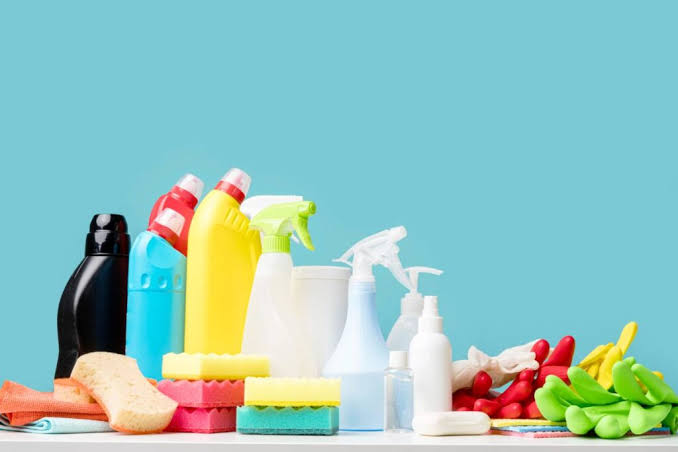
The Complete Guide to Household Cleaning Supplies and Their Uses
Keeping our homes clean is one of the simplest ways to create a healthier, more comfortable place to live. A clean home looks better, smells fresher, and helps reduce dust, germs, and everyday messes. However, many people own dozens of cleaning products without knowing what each one is actually designed to do. As a result, some products are used incorrectly, unnecessary items fill our cabinets, and cleaning becomes more complicated than it needs to be.
The truth is that we don’t need a huge collection of expensive cleaners to maintain a spotless home. Understanding the purpose of each cleaning supply allows us to clean more effectively while saving time, money, and storage space.
In this guide, we’ll walk through the most common household cleaning supplies, explain where they work best, and share practical tips for using them safely.
Why Choosing the Right Cleaning Supplies Matters
Every surface in our home is different. Kitchen countertops, wooden furniture, bathroom tiles, mirrors, carpets, and stainless steel appliances all require different care.
Using the wrong product may not only produce poor results but can also damage surfaces over time. For example, harsh cleaners can strip protective finishes from wood, while abrasive scrubbers may scratch glass or polished countertops.
Choosing the right supplies helps us:
- Clean more efficiently
- Protect household surfaces
- Reduce unnecessary spending
- Improve indoor hygiene
- Extend the life of furniture and appliances
- Make routine cleaning easier
The goal isn’t to own every cleaning product available. It’s to understand which ones truly meet our household needs.
Essential Cleaning Supplies Every Home Should Have
Most homes can stay clean with a relatively small collection of reliable supplies.
A basic cleaning kit often includes:
- Microfiber cloths
- All-purpose cleaner
- Glass cleaner
- Bathroom cleaner
- Kitchen degreaser
- Dish soap
- Floor cleaner
- Disinfectant spray or wipes
- Baking soda
- White vinegar
- Sponges
- Soft scrub brushes
- Mop and bucket
- Broom and dustpan
- Vacuum cleaner
- Rubber gloves
- Trash bags
These items can handle most everyday cleaning tasks throughout the home.
Microfiber Cloths
Microfiber cloths are among the most useful cleaning tools because they trap dust and dirt instead of simply pushing it around.
They work well on:
- Furniture
- Electronics
- Glass
- Kitchen counters
- Bathroom surfaces
- Stainless steel
Unlike paper towels, microfiber cloths can be washed and reused many times, making them both economical and environmentally friendly.
For the best results, wash microfiber cloths separately from towels and avoid using fabric softener, which can reduce their effectiveness.
All-Purpose Cleaner
An all-purpose cleaner is designed for everyday cleaning across many different surfaces.
It works well for:
- Countertops
- Tables
- Cabinets
- Doors
- Shelves
- Plastic surfaces
While versatile, it’s important to check the label before using it on natural stone, unfinished wood, or specialty materials.
For routine maintenance, an all-purpose cleaner is often the first product we reach for.
Glass Cleaner
Glass cleaners help remove fingerprints, dust, and streaks from smooth surfaces.
They’re commonly used on:
- Windows
- Mirrors
- Glass tables
- Shower doors
- Glass cabinets
For streak-free results, wipe glass using a clean microfiber cloth instead of ordinary paper towels.
Cleaning windows on cloudy days can also reduce streaking because the cleaner doesn’t dry too quickly.
Bathroom Cleaner
Bathrooms deal with soap residue, toothpaste, water spots, and moisture every day.
Bathroom cleaners are designed to remove:
- Soap scum
- Hard water deposits
- Bathroom stains
- Everyday grime
Regular cleaning helps prevent buildup, making deep cleaning easier over time.
Remember to keep the room ventilated while using stronger bathroom products.
Kitchen Degreaser
Cooking naturally creates grease that settles on cabinets, stovetops, range hoods, and backsplashes.
A degreaser cuts through oily residue much faster than general-purpose cleaners.
It’s especially useful for:
- Stovetops
- Ovens
- Microwaves
- Kitchen exhaust fans
- Cabinet doors near cooking areas
Using a degreaser regularly prevents grease from becoming difficult to remove.
Dish Soap
Dish soap is much more versatile than many people realize.
Besides washing dishes, it can help clean:
- Kitchen sinks
- Countertops
- Refrigerator shelves
- Patio furniture
- Trash bins
- Some flooring surfaces when diluted properly
Because it’s designed to remove grease while remaining gentle, dish soap is often one of the safest everyday cleaning products.
Floor Cleaners
Different flooring materials require different cleaning methods.
Wood flooring usually needs specially formulated wood cleaners.
Tile floors often tolerate stronger cleaning solutions.
Laminate flooring benefits from lightly damp mopping rather than excessive moisture.
Always choose a cleaner that matches the flooring material to avoid unnecessary wear or damage.
Vacuum Cleaner
A vacuum is one of the most valuable cleaning tools in any home.
Regular vacuuming removes:
- Dust
- Pet hair
- Dirt
- Food crumbs
- Allergens
Many modern vacuums include attachments for upholstery, stairs, curtains, and hard-to-reach corners.
Emptying the dust container and cleaning filters regularly helps maintain strong suction.
Broom and Dustpan
Although vacuums are effective, brooms remain useful for quick cleanups.
They work especially well on:
- Tile
- Hardwood
- Concrete
- Garages
- Patios
- Entryways
Sweeping regularly prevents dirt from spreading throughout the home.
Mop and Bucket
Mopping removes the dirt that sweeping alone leaves behind.
Different mops serve different purposes.
Flat microfiber mops work well for everyday maintenance.
String mops absorb larger amounts of water for heavier cleaning.
Always wring out excess water before cleaning floors that are sensitive to moisture.
Sponges
Sponges are ideal for cleaning dishes, sinks, countertops, and appliances.
However, because they stay damp, they should be cleaned or replaced regularly.
A worn-out sponge can spread bacteria rather than remove it.
Having separate sponges for dishes and household cleaning is also a good practice.
Scrub Brushes
Brushes provide extra scrubbing power where cloths and sponges aren’t enough.
They’re useful for:
- Grout
- Tile
- Outdoor furniture
- Shoes
- Garbage bins
- Shower floors
Choose soft or medium bristles for most indoor surfaces to reduce scratching.
Disinfectants
Cleaning and disinfecting are not exactly the same.
Cleaning removes visible dirt.
Disinfecting helps reduce germs on surfaces.
High-touch areas that benefit from occasional disinfecting include:
- Door handles
- Light switches
- Remote controls
- Faucets
- Toilet handles
- Refrigerator handles
Always follow the product’s instructions regarding contact time to ensure it works effectively.
Baking Soda
Baking soda is one of the most useful natural cleaning products.
It helps:
- Remove odors
- Clean sinks
- Freshen refrigerators
- Scrub cookware
- Clean garbage cans
Because it’s mildly abrasive, it helps remove stains without damaging many surfaces.
White Vinegar
White vinegar is widely used for everyday household cleaning.
It works well for:
- Removing water spots
- Cleaning windows
- Freshening drains
- Descaling kettles
- Cleaning coffee makers
However, vinegar should not be used on natural stone surfaces such as marble or granite because its acidity may damage them.
Rubber Gloves
Cleaning often involves water, detergents, and other products that can dry out the skin.
Rubber gloves help protect hands while improving grip during cleaning.
They are especially useful when:
- Washing bathrooms
- Handling stronger cleaning products
- Washing dishes
- Cleaning garbage bins
Keeping several pairs around the house makes cleaning more comfortable.
Trash Bags
A clean home starts with proper waste management.
Strong trash bags reduce leaks and make garbage disposal easier.
Using smaller bins throughout the home also encourages regular emptying before odors develop.
Organizing Your Cleaning Supplies
A well-organized cleaning kit saves both time and frustration.
Store supplies together whenever possible.
Group similar items by purpose.
For example:
Kitchen cleaning products in one basket.
Bathroom cleaners in another.
Floor care products in a separate cabinet.
Keep products in their original containers with labels clearly visible.
Store all chemicals away from children and pets.
Common Cleaning Mistakes to Avoid
Even experienced homeowners make simple cleaning mistakes.
Some of the most common include:
- Using too much cleaning product
- Mixing different cleaning chemicals
- Forgetting to clean cleaning tools
- Using dirty cloths repeatedly
- Ignoring product instructions
- Cleaning from the floor upward instead of top to bottom
- Skipping regular maintenance
Small improvements in technique often produce better results than buying new products.
Build a Simple Cleaning Routine
Instead of waiting until the home becomes messy, create a regular schedule.
Daily Tasks
- Wash dishes
- Wipe kitchen counters
- Make beds
- Empty trash if needed
- Put belongings away
Weekly Tasks
- Vacuum floors
- Mop hard surfaces
- Clean bathrooms
- Dust furniture
- Change bed linens
Monthly Tasks
- Wash windows
- Clean appliances
- Organize cabinets
- Vacuum under furniture
- Deep clean high-traffic areas
Breaking cleaning into manageable tasks makes it much easier to maintain a consistently clean home.
Cleaning Supply Safety Tips
Cleaning products should always be handled responsibly.
Keep these safety habits in mind:
- Read labels before use.
- Never mix different chemical cleaners.
- Wear gloves when appropriate.
- Keep rooms well ventilated.
- Store products out of children’s reach.
- Replace damaged spray bottles.
- Dispose of empty containers properly.
Simple precautions help keep everyone in the household safe.
Final Thoughts
A clean home doesn’t depend on owning dozens of specialized products. It comes from understanding which cleaning supplies are truly useful and using them correctly. With a well-stocked but practical cleaning kit, regular routines become easier, surfaces stay in better condition, and the entire home feels fresher and more inviting.
Rather than filling cabinets with products we rarely use, it’s better to focus on a handful of reliable essentials that can handle everyday cleaning tasks throughout the house. Combined with consistent habits and safe storage, these supplies help create a healthier, more comfortable living environment for everyone.
Frequently Asked Questions
What are the most important household cleaning supplies?
A microfiber cloth, all-purpose cleaner, vacuum, mop, broom, glass cleaner, bathroom cleaner, dish soap, disinfectant, and baking soda are enough for most homes.
How often should cleaning supplies be replaced?
Sponges should be replaced frequently, microfiber cloths when worn out, mop heads as needed, and vacuum filters according to the manufacturer’s recommendations.
Is it necessary to buy many different cleaners?
No. Most households can stay clean with a small collection of versatile, high-quality cleaning products.
What’s the difference between cleaning and disinfecting?
Cleaning removes dirt and debris, while disinfecting helps reduce germs on surfaces after cleaning.
How should cleaning products be stored?
Keep them in a cool, dry location, away from direct sunlight and safely out of reach of children and pets.